People
The SIGNALS Laboratory brings together students and trainees from engineering, medicine, and computational sciences to work on problems at the intersection of physiology, data, and clinical care. Mentorship emphasizes both technical development and the ability to translate quantitative insights into meaningful clinical and scientific questions.
Principal Investigator
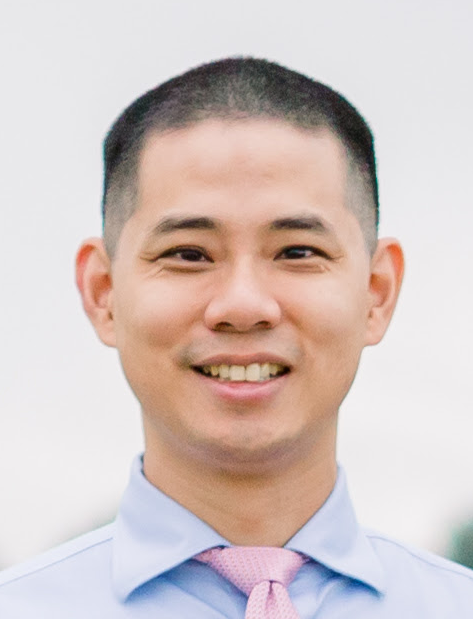
Joshua T. Chang, MD, PhD
Assistant Professor of Neurology, Dell Medical School, The University of Texas at Austin
Affiliate Faculty, Oden Institute for Computational Engineering and Sciences Courtesy Assistant Professor, Department of Population Health
Dr. Joshua T. Chang is a physician–scientist working at the intersection of neurology, electrical engineering, and computational medicine. He leads the SIGNALS Laboratory at UT Austin, where his group develops computational approaches to extract clinically actionable insight from real-world physiological data—including EEG, ECG, voice, and movement signals—using time-series analysis, machine learning, and mechanistic modeling. His research focuses on uncovering the dynamical mechanisms underlying cognitive function and decline, with particular emphasis on aging, early detection of mild cognitive impairment, and personalized neurostimulation strategies. Broader projects span digital twin models of physiological systems, gait and balance modeling for fall risk, and scalable tools for clinical decision support.
Dr. Chang earned his BS and MEng in Electrical Engineering and Computer Science from MIT, with early work in signal processing and AI at MIT Lincoln Laboratory, the Broad Institute, and Harvard’s Center for Health Decision Science. He completed his MD/PhD in Quantitative Health Sciences at the University of Massachusetts Medical School, where his doctoral research under Dr. David Paydarfar focused on adaptive control of neurostimulation waveforms.
Team Members
Sophia Epstein
PhD Candidate, Oden Institute
Research focuses on neuromodulation and computational modeling of neural systems, including stimulation strategies for therapeutic applications.
Gabriela Renta Lopez
PhD Candidate, Biomedical Engineering, UT Austin
Research focuses on developing dynamic network metrics as biomarkers for cognitive reserve using EEG data.
Jilliane Lagus
PhD Candidate, Speech-Language-Hearing Sciences
Research focuses on signal processing and machine learning approaches for detecting swallowing events using physiological audio signals.
Polina Lee
Undergraduate Student
Research focuses on movement metrics captured from smartphones as a predictor for fall risk.
Alisha Ragatz
Data Engineer
Builds and maintains the data infrastructure underlying the lab’s physiological monitoring systems. Her work spans the full pipeline from sensor acquisition through ingestion, transformation, and warehousing — enabling the large-scale, longitudinal analyses that drive the lab’s research across NICU monitoring, gait analysis, and cognitive assessment.
Selected Alumni
Students and trainees have gone on to careers in medicine, academia, and industry.
- Ally Richardson — Data Scientist, Austin, TX
- Henry Nguyen — Medical Student, UT San Antonio
- Anjana Ganesh — Medical Student, UT Rio Grande Valley
- Rohan Shah — Medical Student, UTMB
- Nitya Rao — Ophthalmologist, Austin, TX
- Daniel Paydarfar — PhD Candidate, Biostatistics, Harvard
- Alan Gee — Applied Machine Learning Scientist, Austin, TX
Clinical and Residency Mentorship
As Associate Program Director for Quantitative Research in the Neurology Residency Program, Dr. Chang mentors residents on research and quality improvement projects. This includes guidance on study design and evaluation, data collection and analysis, institutional review processes, and translating clinical questions into quantitative frameworks. Projects span stroke systems of care, health equity, clinical workflow optimization, and patient outcomes.